
The Unwell Educator
Dear Reader,
Welcome to The Unwell Educator. Whether you are here as a curious human being or you are experiencing unwellness and questioning it from a structural lens, I am glad you are here.
I created The Unwell Educator to acknowledge that we are all unwell, and because many of us are pretending to have it all together at work with no place to talk about our unwellness (See initial result of the survey Unwellness in the Work Culture). The purpose of The Unwell Educator is to make our unwellness visible, transparent, and a common human condition that we are all experiencing. I will take you through opportunities to be unwell together, as strange as this may sound, but very important and needed to respond to our differential unwellness (Khúc, 2024), and to learn practical strategies to structure the care each of us needs for our unique unwellness.
Educators’ wellbeing is increasingly at risk, with research revealing major challenges: overwhelming workload, lacking institutional support, and emotional exhaustion. Teacher educators’ wellbeing is compromised because of heavy workloads, isolation, and disrespect tied to external accreditation pressures (Kosnik et al., 2020). [We] are burdened by excessive demands, poor communication, limited decision-making power, inadequate compensation (Coyle et al., 2020), and [we] experience pressure to secure grants and imbalanced expectations between research, teaching, and service (Padilla & Thompson, 2016).
These stressors lead to burnout, reduced engagement, and poor teaching [and work] quality, affecting student learning and institutional success (James et al., 2019; Laundon & Grant-Smith, 2013 as cited by Sabagh et al., 2018; Salimzadeh et al., 2017). Despite growing attention to student wellbeing, faculty wellbeing, specifically, [is] under-researched—highlighting the urgent need for programs that support [their] wellness (Duong et al., 2023).
“Pain is a source of knowledge (Anzaldúa, 1987).” So, all educators (teachers, faculty, lecturers, staff and administrators, graduate students, postdoctoral scholars) are welcomed to The Unwell Educator to explore, discuss, and challenge the work culture that makes us unwell.
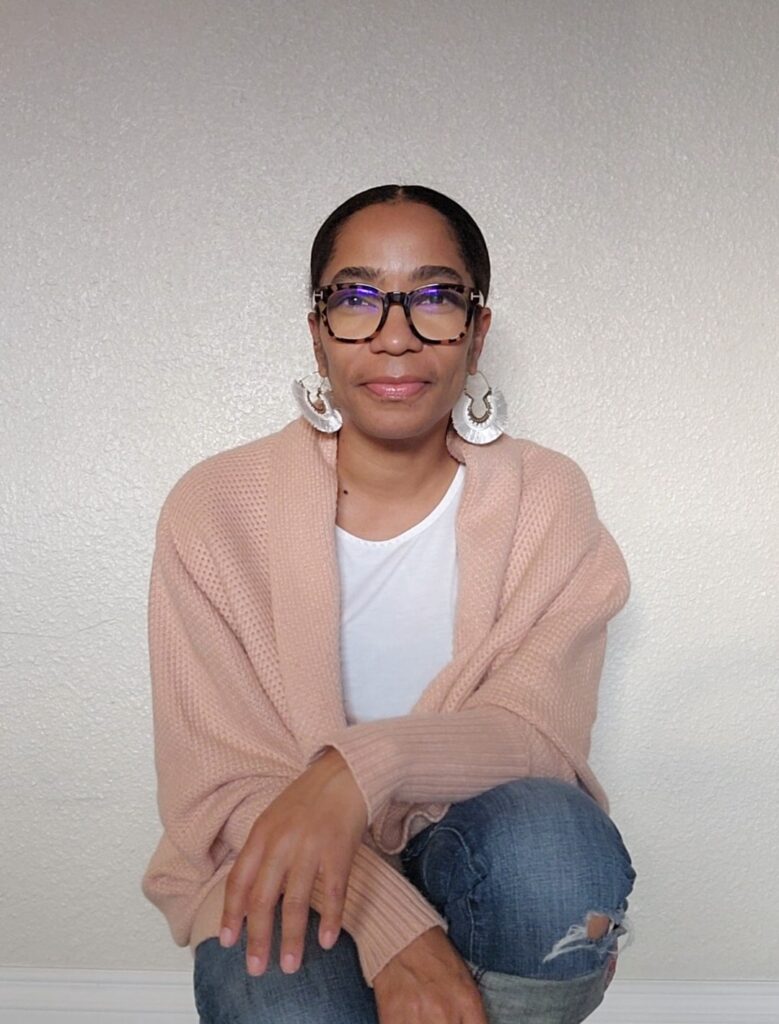
The books I self-published, Thirteen Months: Journey Through the Pandemic (2022) and Fired Up (2023) came into fruition because of journaling about my emotions, curiosity, challenges, and more. When I write in my journal, I am raw and open, knowing that I am safe to write about anything without judgement, giving me a close look into what’s really going on with and around me.
At the beginning of the year 2024, after I took an extended personal leave from work to solely focus on my health, I saw all the ways that the work culture contributed to my unwellness that I no longer could subscribe to as I did prior to my leave. I no longer could disregard practices and behaviors that were normalized for fear of making a big deal out of something that others accepted (or didn’t accept but just could not say anything). I focused on my health at work rather than making people happy and leaving things unexplored. My experience with practicing deep reflection through journaling and meditation helped me to reenter the workplace with courage. With courage on my chest, I approached work differently to get the care I needed in the workplace to do my work. It was not easy, but it was what I needed.
My attitude changed to being open and honest about what and how I experienced the workplace. When I was tired, I said it. When I was frustrated, I said it. I named who and what hurt me in the workplace. I was done hiding and pretending to be well at work. Our hurt is not an individual pathology, it is structural (Khúc, 2024).
Together, we’ll explore who and what structurally hurt us at work.